








Alcohol and Sleep: Why Your Nightcap May Be Hurting Your Recovery
A glass of wine before bed can feel like the perfect way to wind down.
You feel relaxed.
You get sleepy.
You may even fall asleep faster.
But falling asleep faster does not always mean you are sleeping better.
Alcohol can act like a sedative at first, but as your body metabolizes it overnight, your sleep can become lighter, more fragmented, and less restorative. That is why you may wake up around 2 or 3 AM feeling hot, restless, thirsty, or wide awake.
Your body was not fully recovered.
It was processing alcohol.
Alcohol Disrupts REM Sleep
One of the biggest ways alcohol affects sleep is by disrupting REM sleep.
REM is the stage of sleep connected to memory, emotional processing, creativity, and mental recovery. In simple terms:
REM helps your brain recover.
Alcohol may reduce REM sleep, especially in the second half of the night. So even if you spend eight hours in bed, you may wake up feeling foggy, tired, or emotionally off.
That glass of wine may help you feel relaxed.
But it can steal from the sleep that helps you feel like yourself tomorrow.
Why You Wake Up Tired After Drinking
Alcohol can affect sleep in several ways:
- It can reduce REM sleep
- It can increase nighttime wake-ups
- It can raise the heart rate overnight
- It can worsen snoring
- It can make sleep feel lighter
- It can leave you dehydrated
Sleep is not just about the number of hours you get.
It is about how well your body recovered during those hours.
What To Do Instead
You do not have to give up the wind-down ritual.
Just replace the drink with something that supports sleep instead of disrupting it.
Try:
- Chamomile tea
- Tart cherry juice mocktail
- Warm shower
- Gentle stretching
- A 10-minute post-dinner walk
- Breathwork with a longer exhale
If you do drink, try finishing your last drink at least 3 to 4 hours before bed.
Then track how you feel the next morning.
Look at your energy, mood, focus, wake-ups, resting heart rate, and sleep score if you use a wearable.
The data may surprise you.
Your Sleep Environment Matters Too
Cutting back on nightcaps can be one of the fastest ways to improve sleep quality.
But your sleep environment matters too.
Your bedroom is not just a room.
It is your recovery chamber.
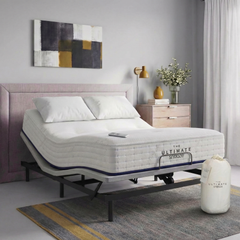
Your mattress, pillow, sheets, temperature, light, and materials all influence how well your body can settle into deeper, more restorative sleep.
At The Ultimate Snooze, we create organic, recovery-focused sleep essentials designed to support cleaner comfort and better nights.
Because better sleep is not just about getting more hours.
It is about waking up better.
Explore:
Better nights create better days.
Let’s Get To Sleep.