









Do Mattresses Actually Get Moldy Over Time
Yes, mattresses can develop mold over time.
It does not happen overnight, but the conditions that lead to mold are present in almost every bedroom.
Every night your body releases moisture through sweat and respiration. That moisture gets absorbed into your mattress.
If it does not properly dry, it creates an environment where mold can grow.
The Environmental Protection Agency states that mold can begin forming within 24 to 48 hours in damp conditions
https://www.epa.gov/mold/mold-course-chapter-2
Over months and years, this repeated exposure adds up.
Why Mattresses Are a Perfect Environment for Mold
Mold needs three things to grow:
- Moisture
- Warmth
- Limited airflow
Your mattress provides all three.
- It is warm from body heat
- It absorbs moisture every night
- It often has limited internal airflow, especially in foam designs
Traditional mattresses made with dense synthetic foams tend to trap heat and moisture.
This slows down evaporation and increases the risk of mold forming inside the layers.
Because the inside of a mattress is not easily cleaned or exposed to air, mold can grow without being visible.
How Common Is Mold Exposure in the US
Mold exposure is more widespread than most people think.
The Centers for Disease Control and Prevention notes that mold is commonly found in indoor environments across the United States, particularly in areas with humidity or poor ventilation
https://www.cdc.gov/mold/default.htm
Since bedrooms are enclosed spaces with consistent moisture from breathing and sleeping, they are especially vulnerable.
Even if you cannot see mold, it can exist below surfaces where moisture is trapped.
Signs Your Mattress May Have Mold
Mold is not always obvious, but there are indicators.
- Musty or damp smells
- Increased allergies at night
- Waking up congested or irritated
- Visible discoloration or spotting
- A feeling of dampness in bedding
If these signs are present, your mattress may already be holding moisture or mold internally.
How Mold in Your Mattress Can Affect Sleep
Sleep is when your body is supposed to recover.
When your environment introduces stressors, even subtle ones, it can interfere with that process.
Mold exposure has been linked to:
- Respiratory irritation
- Congestion and sinus pressure
- Skin irritation
- Disrupted breathing during sleep
The CDC explains that mold exposure can cause coughing, wheezing, and throat irritation, especially for sensitive individuals
https://www.cdc.gov/mold/faqs.htm
Because your face is close to your mattress for hours each night, even low level exposure can affect sleep quality over time.
Why Mattress Materials Make a Huge Difference
Not all mattresses handle moisture the same way.
Materials determine whether moisture gets trapped or released.
Synthetic foam mattresses tend to:
- Hold heat
- Trap moisture
- Limit airflow
- This creates a higher risk environment for mold growth.
Organic and natural materials behave differently.
Natural latex is more breathable and resistant to mold
Organic wool wicks moisture away and allows it to evaporate
Organic cotton promotes airflow and reduces heat buildup
This combination creates a drier environment, making it harder for mold to develop.
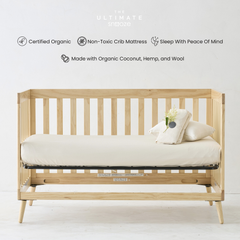
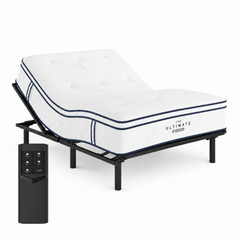
At The Ultimate Snooze, the mattress is designed in partnership with Gary Brecka using organic cotton, wool, and natural latex with a hybrid pocketed coil system to increase airflow.
You can explore the full system here
https://theultimatesnooze.com
The Most Important Step: Protect Your Mattress
Even with breathable materials, protection is essential.
A mattress protector creates a barrier that prevents moisture from entering the mattress.
This is critical because once moisture gets inside, it is very difficult to fully remove.
A high-quality protector helps:
- Block sweat and spills
- Reduce allergen buildup
- Extend mattress lifespan
- Prevent internal moisture accumulation
The Ultimate Snooze offers a breathable mattress protector that protects against moisture while still allowing airflow.
You can explore the mattress protector here
https://theultimatesnooze.com
This is one of the simplest and most effective ways to prevent mold long-term.
How to Reduce Mold Risk in Your Bedroom
In addition to your mattress, your environment plays a role.
- Keep humidity between 30 and 50 percent
- Allow airflow through windows or ventilation
- Avoid placing mattresses directly on the floor
- Wash sheets regularly
- Let your bed air out during the day
These habits help reduce moisture buildup and improve air quality.
Quick Sleep Facts That Matter
You release moisture every night, which can accumulate in bedding and mattresses over time
Mold can begin forming within 24 to 48 hours in damp environments
Poor airflow increases the risk of moisture retention and mold growth
Breathable materials can significantly reduce this risk
Small environmental changes can improve sleep quality quickly
Frequently Asked Questions
Do all mattresses eventually get mold?
Not all, but any mattress exposed to repeated moisture without proper airflow can develop mold over time.
How fast can mold grow in a mattress?
Mold can begin forming within 24 to 48 hours if moisture is trapped and conditions are right.
Is latex better for preventing mold?
Natural latex is more breathable and resistant to mold compared to dense synthetic foams.
Do mattress protectors stop mold?
They help prevent moisture from entering the mattress, which reduces the risk of mold growth.
How do I keep my mattress dry?
Use a breathable protector, maintain proper humidity, and allow airflow around your bed.
Final Thoughts
Your mattress is one of the most important environments in your home.
Over time, moisture, heat, and limited airflow can create conditions where mold develops.
The good news is this is preventable.
By choosing breathable, organic materials and using a proper mattress protector, you can significantly reduce the risk.
Since you spend one third of your life in bed, protecting that environment is one of the most practical ways to support your health and sleep quality.