



Why Mattress Materials Affect Sleep Quality
Most people choose a mattress based on comfort in the first five minutes. What matters more is how that mattress performs over six to eight hours every night.
Sleep quality is influenced by temperature regulation, spinal alignment, pressure distribution, airflow, and environmental stress. The material inside your mattress directly impacts each of these. That is why the debate between latex and foam matters.
What Is a Foam Mattress
Foam mattresses are typically made from polyurethane-based materials. The most common types include memory foam, polyfoam support layers, and gel-infused foam variations.
These materials are engineered to contour to the body and create a soft, sinking feel. Foam mattresses are popular because they are affordable and widely available. However, their performance depends heavily on density, quality, and construction — and most contain synthetic chemicals and adhesives that can off-gas over time.
What Is a Latex Mattress
Latex mattresses use foam derived from rubber tree sap. Natural latex is processed into a supportive and responsive material that behaves differently than synthetic foams.
Key characteristics include responsive support instead of slow sinking, higher breathability, and greater durability over time.
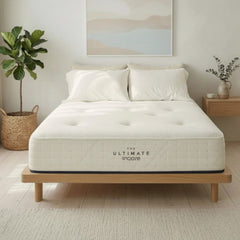
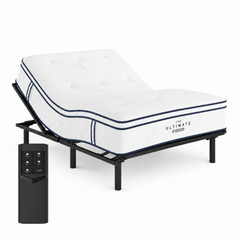
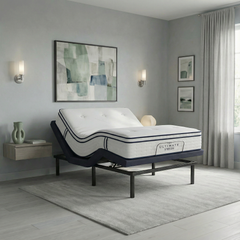
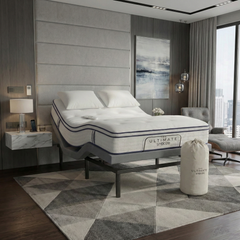
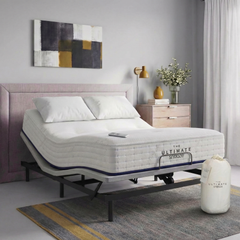
Latex is often paired with organic materials like cotton and wool and used in hybrid designs with pocketed coils — creating a more balanced sleep surface. The Ultimate Snooze Pure Organic Mattress uses GOLS-certified natural latex in exactly this configuration.
Latex vs Foam for Temperature Regulation
Temperature is one of the biggest factors in sleep quality. Your body needs to cool down to fall asleep and stay asleep.
The Sleep Foundation explains that a drop in core body temperature is essential for sleep onset and maintenance. (Source: Sleep Foundation)
Foam mattresses tend to trap heat due to their dense structure, leading to overheating and disrupted sleep cycles. Latex, especially when combined with breathable materials and coils, allows for better airflow. Pairing a latex mattress with organic cotton Breezeline sheets further improves temperature regulation.
Latex vs Foam for Spinal Alignment
Support is critical for sleep quality and recovery. Foam mattresses can allow the body to sink deeply, especially in the hips and shoulders, potentially leading to misalignment.
Latex provides more balanced pushback. Instead of sinking, the body is supported in a neutral position, helping maintain proper spinal alignment throughout the night.
The National Library of Medicine highlights the importance of sleep posture and support in reducing musculoskeletal discomfort. (Source: NCBI)
Latex vs Foam for Movement and Responsiveness
Foam mattresses respond slowly to movement, creating a feeling of being stuck in the bed. For some people, this is comfortable. For others, it makes changing positions difficult.
Latex responds instantly, allowing for easier movement during sleep, less disruption when changing positions, and more natural sleep patterns. If you move frequently at night, this responsiveness can improve overall sleep quality.
TRY THE DIFFERENCE
The Ultimate Snooze uses GOLS-certified natural latex — not petroleum foam — for responsive support, natural temperature regulation, and a cleaner sleep environment.
Shop Organic Latex Mattresses →Latex vs Foam for Air Quality and Materials
Material composition affects more than comfort. Many foam mattresses are made with synthetic materials and adhesives that can release volatile organic compounds over time.
The Environmental Protection Agency explains that these compounds can affect indoor air quality and contribute to irritation and discomfort. (Source: EPA)
Latex mattresses made with natural materials focus on reducing chemical inputs. Organic cotton and wool are used alongside latex in The Ultimate Snooze to improve breathability, moisture control, and fire resistance without chemical sprays.
Durability and Long-Term Performance
Foam mattresses tend to break down over time, leading to sagging and loss of support. Latex is more resilient — it maintains its structure longer and resists permanent indentations.
Over time, this means more consistent support, less need for replacement, and better long-term value. The Ultimate Snooze Pure Organic Mattress backs this with a 30-year warranty.
The Ultimate Snooze Approach to Sleep Quality
The Ultimate Snooze mattress is designed in partnership with Gary Brecka with a focus on performance. Instead of relying on memory foam, it uses natural latex for responsive support, organic cotton for breathability, organic wool for temperature regulation, and a hybrid pocketed coil system for airflow and alignment.
Pure Organic Latex Mattress
GOLS-certified organic latex, 800 individually wrapped coils, organic cotton and wool — no petroleum foam, no fiberglass, no chemical adhesives. This is the mattress designed to support your body’s natural sleep and recovery process.
Pillowtop Organic Mattress
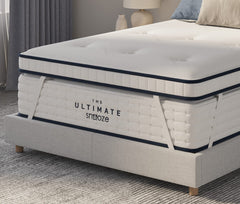
All the same GOLS and GOTS-certified materials with an organic pillowtop for those who prefer a softer feel — still zero synthetic foam.
Organic Latex Mattress Topper
Want to try latex before committing to a full mattress? The 2-inch GOLS-certified Talalay latex topper adds responsive organic latex to your existing sleep surface.
Which Is Better for Sleep Quality
Foam may work if you prefer a soft, contouring feel and are less sensitive to heat or responsiveness.
Latex is often better if you want improved airflow and temperature control, stronger support and spinal alignment, faster response when moving, and more natural materials with reduced chemical exposure.
For overall sleep quality and long-term performance, latex tends to provide a more balanced solution.
MAKE THE SWITCH TO LATEX
Certified organic latex mattresses built for real recovery
Shop Mattresses → Try the Latex Topper First →Frequently Asked Questions
Is latex better than foam for sleep quality?
Latex often provides better airflow, support, and durability, which can improve overall sleep quality.
Do foam mattresses cause overheating?
They can trap heat due to their dense structure, which may disrupt sleep for some people.
Is latex more durable than foam?
Yes, natural latex typically maintains its structure longer than foam.
Are latex mattresses safer than foam?
Latex mattresses made with natural materials may reduce exposure to synthetic chemicals found in many foam mattresses.
Which mattress is better for back pain?
Latex often provides better alignment and support, which can help reduce strain on the back.
Final Thoughts
Sleep quality is not just about how a mattress feels when you first lie down. It is about how it performs over hours of use, every night.
Materials influence temperature, support, movement, and environment. Latex and foam offer different experiences, but when it comes to consistent performance and recovery, latex has clear advantages.
If your goal is better sleep, start by choosing materials that support how your body actually works. That is where real improvement begins.