








A year ago, if you told someone you were taping your mouth shut to sleep better, they would have laughed. Now it's one of the most searched sleep topics on the internet — and for good reason. The biology behind it is real.
Why Nasal Breathing During Sleep Matters
Your nose is not just an air passage. It's a biological filter and conditioning system. When you breathe through your nose, air is warmed, humidified, and filtered before it reaches your lungs. More importantly, nasal breathing produces nitric oxide — a vasodilating molecule that improves oxygen delivery to your cells and helps regulate blood pressure.
Research published in the American Journal of Respiratory and Critical Care Medicine confirmed that nitric oxide — produced in the sinuses and released with nasal breathing — plays a critical role in pulmonary function and cardiovascular health. Mouth breathing bypasses this system entirely.
James Nestor, author of the landmark book Breath: The New Science of a Lost Art, documented through extensive research that chronic mouth breathing is linked to sleep-disordered breathing, elevated cortisol, poor sleep quality, and a host of secondary health consequences. His conclusion: how you breathe during sleep may matter as much as how long you sleep.
What Gary Brecka Says About Nasal Breathing
Gary Brecka has been one of the most prominent voices connecting nasal breathing to recovery, hormonal regulation, and sleep quality. His position aligns with the growing body of research: mouth breathing during sleep increases sleep apnea events, elevates nighttime cortisol, suppresses deep sleep, and reduces the body's ability to fully enter recovery mode.
The fix, in his framework, starts with nasal breathing — and mouth tape is simply the mechanical tool that enforces it while you sleep, before the habit becomes automatic.
Does Mouth Taping Actually Work?
The emerging research suggests yes — with caveats.
A 2022 study published in the Journal of Clinical Sleep Medicine found that mouth taping reduced snoring and mild sleep apnea events in participants, and improved overall sleep quality scores. The mechanism is straightforward: keeping the mouth closed during sleep encourages nasal airflow, reduces apnea events, and maintains better oxygen saturation throughout the night.
The caveat: if you have significant nasal obstruction, mouth taping can backfire. Always consult a doctor before beginning if you suspect any nasal structural issues or undiagnosed sleep apnea.
The Role of Your Sleep Surface in Nasal Breathing
Here's what the mouth taping conversation usually misses: your pillow and mattress directly affect your ability to nasal breathe during sleep.
Proper spinal and cervical alignment — the position of your neck and head relative to your spine — determines whether your airway stays open or partially collapsed during sleep. A pillow that's too high or too flat tilts your head in a way that constricts airflow and makes mouth breathing more likely, even with tape on.
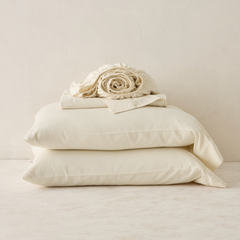
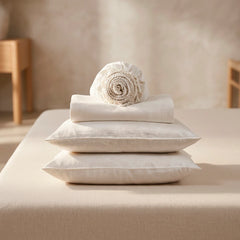
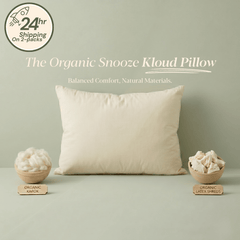
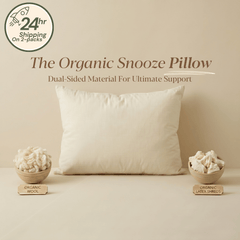
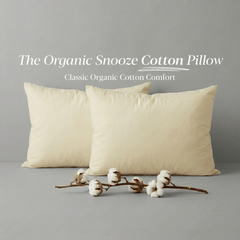
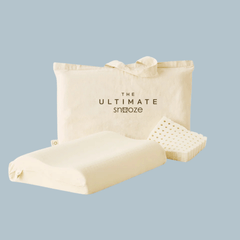
At The Ultimate Snooze, our organic pillow collection is designed with alignment in mind. The Kloud, Organic Snooze Dual, and Signature Cotton pillows each support neutral cervical positioning so your airway stays open — making nasal breathing easier whether you tape or not.
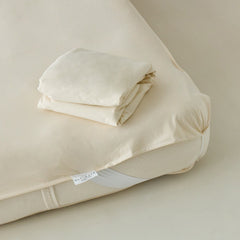
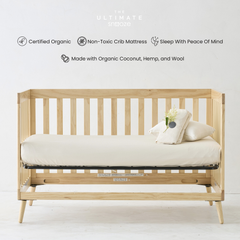
Pair that with the Organic Mattress by Ultimate Snooze — which supports full spinal alignment and reduces positional shifting during sleep — and you've removed the structural barriers that force the airway compensation in the first place.
Mouth tape is a tool. But the environment around you determines how well that tool can actually work. Build the foundation first — explore our organic pillows.
)