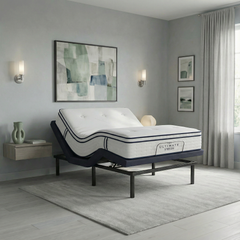
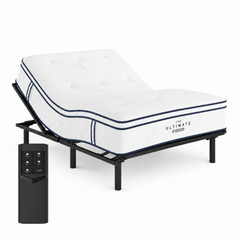




The word "sustainable" gets attached to a lot of products. In the mattress category, it often means very little. Here is what sustainable actually means when it comes to what you sleep on — and why the distinction matters for your health and the environment.
Why Memory Foam Has a Sustainability Problem
Memory foam is made from polyurethane — a petroleum-derived synthetic material. The manufacturing process involves chemicals including toluene diisocyanate (TDI) and methylene chloride, both of which are associated with environmental and occupational health concerns during production.
Once the foam reaches you, the off-gassing phase begins. New polyurethane foam releases volatile organic compounds (VOCs) — chemical gases that contribute to indoor air quality issues. The US Environmental Protection Agency notes that VOCs can affect air quality and health when concentrated indoors, which is exactly where you spend eight hours a night. (EPA)
Then there is the lifespan issue. Memory foam mattresses typically need to be replaced every five to seven years as they break down — losing their shape and support. That means two to three foam mattresses per decade per person, each requiring petroleum to produce and ending up in a landfill that will hold them for generations.
Polyurethane foam does not biodegrade meaningfully. It fragments over time but does not return to the environment cleanly.
What Makes a Mattress Genuinely Sustainable
Sustainable materials come from renewable sources and can return to the environment at end of life. For a mattress, the three most relevant factors are: what it is made from, how long it lasts, and what happens to it afterward.
Natural Latex: A Renewable Material With a Long Lifespan
Natural latex comes from the sap of rubber trees (Hevea brasiliensis). The trees are tapped — a shallow cut is made in the bark and sap is collected — without harming or felling the tree. A healthy rubber tree can be tapped for 25 to 30 years. After tapping ends, the wood is often used for furniture, leaving no waste.
Natural latex itself is biodegradable. A mattress built on natural latex cores does not leave a petrochemical legacy in a landfill.
Lifespan is also dramatically different. A well-constructed natural latex mattress can last 20 to 30 years — three to four times the lifespan of a comparable memory foam product. This matters for sustainability because fewer replacement cycles mean less material consumed and less waste generated over a lifetime.
Organic Wool
Wool is a natural fire barrier that has been used in bedding for centuries. When used as a mattress component, it replaces chemical flame retardants — compounds like PBDE and boric acid that have been associated with health and environmental concerns.
Organic wool comes from sheep raised without synthetic pesticides or hormones. It is also a natural temperature regulator, wicking moisture and maintaining a consistent sleep surface temperature through the night.
Organic Cotton
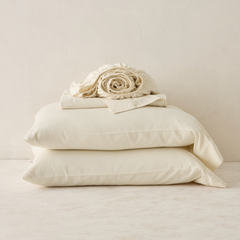
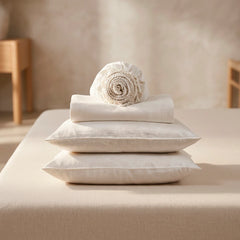
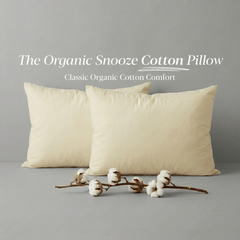
The cover on a mattress is the layer your body is closest to during sleep. Organic cotton is grown without synthetic pesticides or fertilizers, and because it is a natural fiber it is breathable, soft, and biodegradable.
Conventional cotton is one of the most pesticide-intensive crops in the world. Using organic cotton in the cover eliminates that chemical exposure from the production chain and from what your skin contacts every night.
How The Ultimate Snooze Is Built
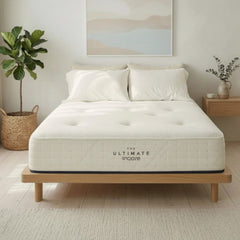
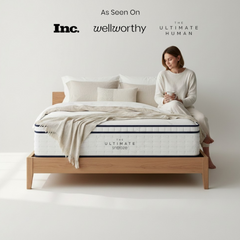
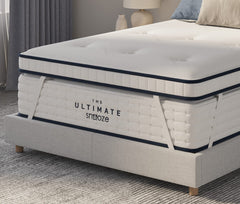
Both The Ultimate Snooze Recovery and Pure mattresses are built on natural materials throughout.
The Recovery Organic Latex Mattress uses a 4-inch layer of organic Talalay latex over 1,100-count 5-zone pocketed coils, with an organic wool fire barrier and organic cotton cover. At 13 inches and a Medium feel, it is built for pressure-contouring support and long-term durability.
The Pure Organic Latex Mattress uses a 1-inch organic Dunlop latex layer over 800-count pocketed coils, also with organic wool and organic cotton. At 10 inches and a Medium Firm feel, it provides a firmer, more supportive foundation.
Neither mattress uses synthetic foam layers, chemical fire retardants, or petroleum-derived materials in the sleep surface.
The 30-Year Warranty as a Sustainability Statement
The Ultimate Snooze mattresses come with a 30-year warranty.
That number is significant from a sustainability standpoint. A 30-year warranty reflects confidence in the durability of natural materials — and means that instead of replacing a mattress two or three times over three decades, you invest once in something designed to last.
Fewer mattresses produced. Fewer mattresses disposed of. Lower lifetime environmental impact per sleeper.
When you look at cost per year, a 30-year natural latex mattress at a higher upfront price often costs less annually than replacing a foam mattress every six years.
Sustainable vs Organic: What Is the Difference?
These terms overlap but are not identical. Organic refers to how materials were produced — without synthetic pesticides, fertilizers, or certain processing chemicals. Sustainable refers to the broader environmental footprint — renewable sourcing, durability, end-of-life impact.
A mattress can use organic materials and still have poor sustainability (if it breaks down in three years). A mattress can be marketed as sustainable without using organic materials. The best option checks both boxes: organic materials from renewable sources with a long usable lifespan.
Frequently Asked Questions
Is memory foam bad for the environment?
Memory foam is petroleum-derived, has a 5-7 year lifespan, and does not biodegrade meaningfully. From a lifecycle perspective, it has a substantially higher environmental footprint than natural latex alternatives.
Is natural latex better than memory foam for sustainability?
On most sustainability metrics — renewable sourcing, durability, end-of-life impact, and VOC emissions during use — natural latex compares favorably to petroleum-based memory foam.
How long does a natural latex mattress last?
A well-constructed natural latex mattress can last 20 to 30 years. The Ultimate Snooze backs this with a 30-year warranty.
What is the difference between Talalay and Dunlop latex?
Both are made from natural rubber sap. Talalay is processed in a way that creates a more open cell structure and a slightly more responsive, pressure-relieving feel. Dunlop is denser and firmer. The Recovery uses Talalay; the Pure uses Dunlop.
Final Thought
Sustainable is not a label. It is a set of decisions made about materials, manufacturing, and longevity. Natural latex from renewable sources, organic wool and cotton, and a 30-year lifespan represent a fundamentally different approach from petroleum-derived foam with a six-year replacement cycle.
If environmental impact matters to you — alongside what you are breathing and sleeping on — the material choice is the starting point.