



Alcohol is the most commonly used sleep aid in the world. And it works briefly, partially, and at a cost that compounds over time.
The popular belief is that a glass of wine before bed helps you sleep. In one narrow sense it does: alcohol has a sedative effect that speeds up sleep onset. But sleep onset is the least important part of a good night of sleep. What happens over the next seven hours is everything.
What Alcohol Actually Does to Your Sleep Cycles
Phase 1 - Sedation (Hours 1 to 3): Alcohol depresses the central nervous system, increasing adenosine and reducing sleep onset time. Deep NREM sleep in the first half of the night is sometimes increased. This is the part people notice and credit.
Phase 2 - Rebound (Hours 3 to 7): As your liver metabolizes the alcohol, the sedative effect wears off and a neurological rebound occurs. Your brain compensates by becoming more active, pushing you into lighter sleep stages or wakefulness entirely. REM sleep, which was suppressed in the first half, rebounds intensely in the second half producing vivid, fragmented dreams and less restorative sleep.
A meta-analysis in Alcoholism: Clinical and Experimental Research reviewed 27 studies and found that alcohol at any dose consistently reduced REM sleep and total sleep quality, with higher doses producing greater disruption.
The Dehydration and Temperature Factor
Beyond sleep staging, alcohol has two additional effects that undermine sleep quality. Alcohol is a diuretic, increasing urine production so you may wake in the middle of the night. And alcohol causes vasodilation, widening blood vessels near the skin surface, which disrupts your body's ability to maintain the precise temperature regulation that deep sleep requires. The Sleep Foundation identifies alcohol-induced temperature dysregulation as a direct cause of nighttime awakening and reduced deep sleep.
What You Can Do
The simplest intervention: stop drinking at least three hours before sleep. This gives your liver time to process the alcohol before the rebound phase begins.
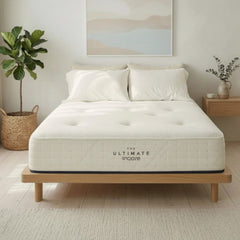
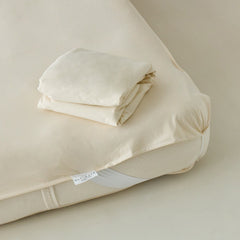
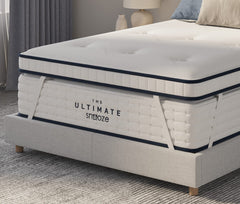
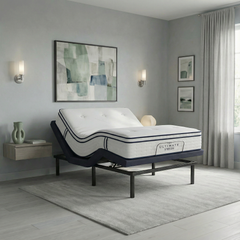
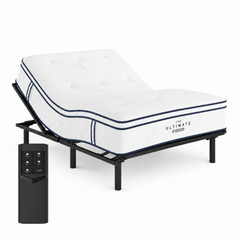
Beyond timing, the quality of your sleep environment becomes even more critical when alcohol is in the picture. A mattress that traps heat combined with alcohol's vasodilation effect creates a compounding temperature problem. The Organic Mattress by Ultimate Snooze uses organic wool to offset that thermal disruption. Organic wool wicks moisture and heat away from your body continuously, helping maintain the cooler sleep surface your biology needs even when alcohol has disrupted your internal thermostat.
On the nights you skip the drink entirely, an organic sleep surface lets you experience what a fully uninterrupted, complete-architecture night actually feels like. That is the benchmark worth protecting. Explore the Organic Mattress by Ultimate Snooze.