







Why Mattress Materials Matter More Than You Think
You spend roughly one-third of your life sleeping.
That means your mattress is one of the most used products in your home.
While most people focus on comfort, the materials inside the mattress can influence:
- Air quality
- Temperature regulation
- Skin contact exposure
- Long-term health
Understanding what is inside your mattress is the first step toward creating a healthier sleep environment.
Common Chemicals Found in Mattresses
Many traditional mattresses are built using synthetic materials and chemical treatments.
Some of the most common include:
- Polyurethane foam
- Flame retardants
- Adhesives
- Volatile organic compounds
- Synthetic fabrics and finishes
These are used to meet safety standards, reduce cost, and improve durability.
The issue is not that these materials exist, but how much exposure you have over time.
What Is Polyurethane Foam
Polyurethane foam is the base material used in most memory foam mattresses.
It is derived from petroleum and processed with chemical additives to create softness and support.
This material can release volatile organic compounds, especially when new.
These emissions are often responsible for the chemical smell people notice when opening a new mattress.
The United States Environmental Protection Agency explains that volatile organic compounds can affect indoor air quality and may cause irritation, headaches, or dizziness depending on exposure levels
https://www.epa.gov/indoor-air-quality-iaq/volatile-organic-compounds-impact-indoor-air-quality
Flame Retardants and Why They Are Used
Flame retardants are added to mattresses to meet fire safety regulations.
There are different types, and not all are the same.
Some mattresses use chemical flame retardants, while others use natural materials like wool to meet safety standards.
Research from the National Institute of Environmental Health Sciences has explored how certain flame retardants may impact hormone function and overall health
https://www.niehs.nih.gov/health/topics/agents/flame_retardants
This is one of the reasons more consumers are looking for alternatives that rely on natural fire barriers.
Adhesives and Off-Gassing
Many mattresses are constructed using adhesives to bond layers together.
These adhesives can release gases over time, especially in the early stages after production.
This process is known as off-gassing.
While the smell typically fades, the compounds can still be present at low levels.
Since your face is in close proximity to your mattress for hours each night, even small exposures can add up over time.
Synthetic Fabrics and Chemical Treatments
Mattress covers and padding may also include synthetic materials.
These can be treated with:
- Stain resistance coatings
- Moisture barriers
- Antimicrobial treatments
These finishes can introduce additional chemicals into the sleep environment.
For people with sensitivities, this can affect comfort and sleep quality.
Why Chemical Exposure Matters During Sleep
Sleep is when your body enters a state of repair and recovery.
Your nervous system shifts, cortisol drops, and your body focuses on restoration.
If your environment introduces stressors such as poor air quality or chemical exposure, it can interfere with that process.
Even if the effects are subtle, they can impact:
- Sleep depth
- Breathing comfort
- Skin sensitivity
- Overall recovery
Reducing unnecessary exposure supports a more stable sleep environment.
What Makes a Mattress Safer
A safer mattress focuses on reducing chemical inputs and using more natural materials.
Look for:
- Organic cotton for breathability
- Natural wool for temperature regulation and fire resistance
- Natural latex for support without synthetic foams
- Minimal adhesives and transparent construction
These materials are closer to their natural state and typically involve fewer chemical treatments.
The Ultimate Snooze Approach to Safer Sleep
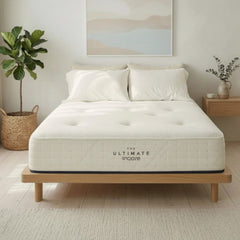
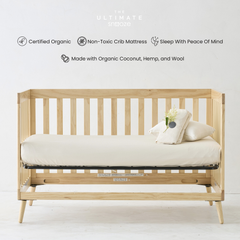
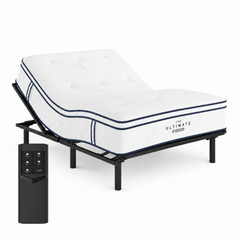
The Ultimate Snooze mattress is designed in partnership with Gary Brecka with a focus on performance and recovery.
Instead of relying on synthetic foams, it uses:
- Natural latex for responsive support
- Organic cotton for airflow
- Organic wool for temperature control and natural fire resistance
- A hybrid pocketed coil system for structure and durability
- This approach reduces reliance on common chemical inputs while supporting how the body recovers during sleep.
You can explore the full system here
https://theultimatesnooze.com
How to Reduce Exposure in Your Current Setup
If you are not ready to replace your mattress, there are still steps you can take.
- Improve ventilation in your bedroom
- Wash bedding regularly
- Use a breathable mattress protector
- Avoid heavily fragranced products near your bed
- Choose natural fiber sheets when possible
These changes can help reduce overall exposure and improve air quality.
Frequently Asked Questions
Do all mattresses contain chemicals?
Most traditional mattresses contain some level of synthetic materials or chemical treatments, but the type and amount vary.
Is off gassing harmful?
Off-gassing releases volatile organic compounds. The impact depends on the level of exposure and individual sensitivity.
Are organic mattresses completely chemical-free?
No mattress is completely free of all processing, but organic materials can significantly reduce chemical exposure.
What is the safest mattress material?
Natural latex combined with organic cotton and wool is considered one of the cleaner and more breathable options.
Can mattress chemicals affect sleep?
Yes, they can influence air quality, comfort, and overall sleep environment.
Final Thoughts
Most people never think about what is inside their mattress.
But when you consider how much time you spend on it, the materials matter.
Understanding the role of chemicals, off gassing, and synthetic materials allows you to make a more informed decision.
A safer sleep environment is not about perfection. It is about reducing unnecessary inputs and supporting your body’s natural recovery process.
Start with awareness and build from there.